Therapeutics for IEIs and Beyond
Human genetics provides a uniquely powerful framework for therapeutic discovery. By identifying non-redundant immune pathways through naturally occurring genetic variation, we aim to develop genetics-informed, mechanism-based therapies for inborn errors of immunity (IEIs), and to extend these insights beyond rare monogenic disorders to patients with more common, modest, or even mild clinical disease arising from dysregulation of the same pathways.
Background
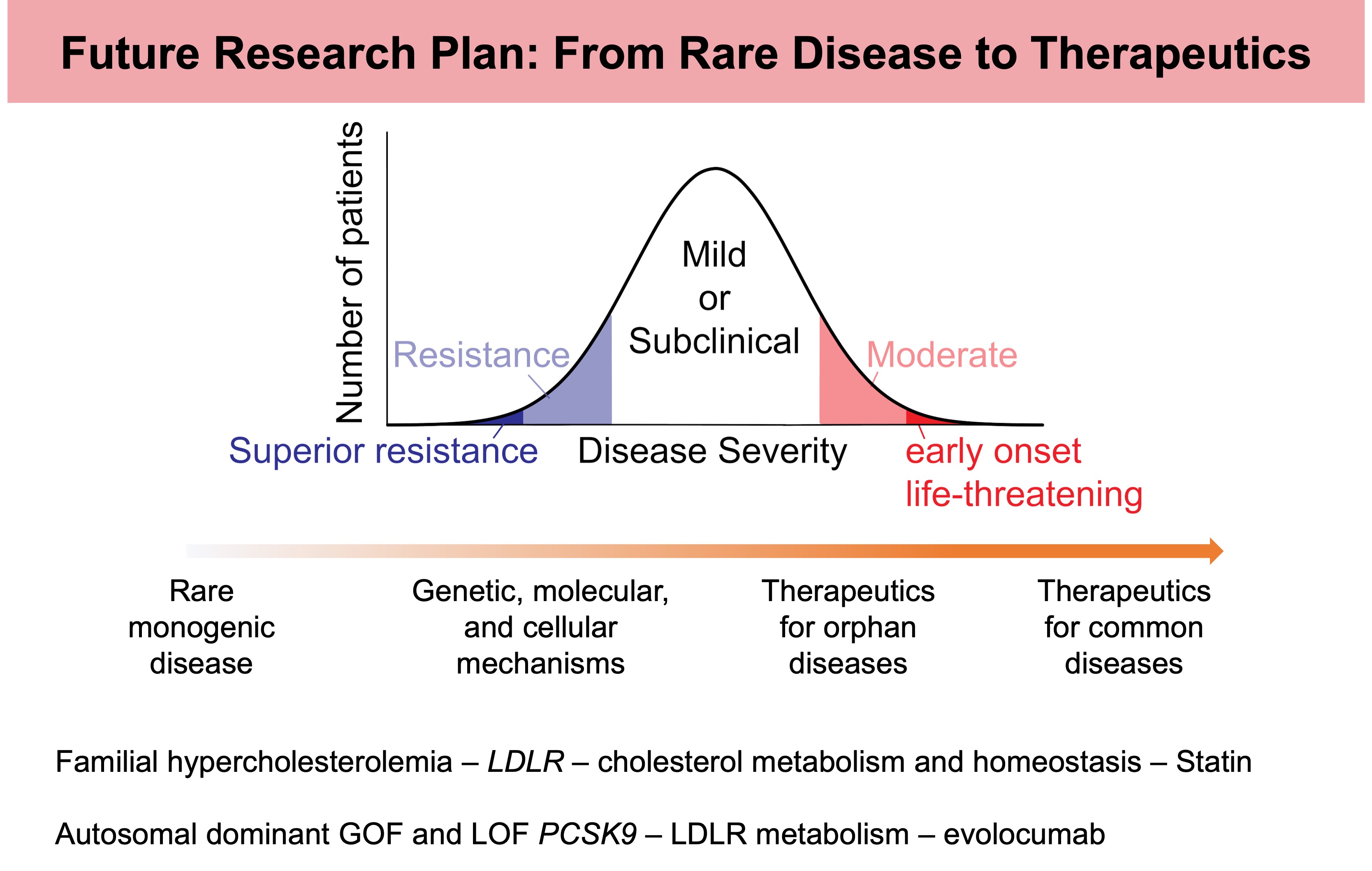
Figure 1. A genetics-first framework for translating human immune variation into mechanism-based therapeutics.
Human monogenic disorders provide direct causal links between gene function, immune pathways, and disease phenotypes—offering a blueprint for precision therapy.
-
Naturally occurring human mutations act as in vivo perturbation experiments, revealing which immune pathways are essential, non-redundant, or safely targetable in humans.
-
Insights from human genetics have repeatedly led to transformative therapies that extend far beyond rare disease. Canonical examples include the discovery of LDLR deficiency informing statin therapy
(PNAS, 2013) and the development of PCSK9 inhibition (e.g., evolocumab) for hypercholesterolemia
(Circulation, 2024). -
Despite this promise, translation from genetic discovery to targeted therapy remains fragmented, and most IEIs still lack mechanism-based treatments.
-
Guided by a Brown–Goldstein approach, we aim to leverage insights from rare genetic disorders to inform therapies for broader populations who share dysregulation of the same immune pathways.
Therapeutic Areas of Focus
- CD40–CD40L pathway dysregulation, spanning immune deficiency and immune dysregulation
- Life-threatening Epstein–Barr virus (EBV) disease, including immunodeficiency, lymphoproliferation, and malignancy
Our Approach
Our therapeutic strategy is grounded in genetics-first reasoning and integrates:
- Human genetic discovery to define causal disease mechanisms
- Functional immunology to identify precise therapeutic leverage
- Pathway-informed intervention, prioritizing specificity, safety, and durability
Selected Publications
(The laboratory is currently in the process of establishing its independent research program. Publications arising from this work are expected in the coming years.)